MCP bridge for AI-driven RTL waveform debugging and analysis
wave-mcp, developed by Tencent's Penglai Lab, is an open-source Model Context Protocol server that brings AI agents into RTL waveform debugging workflows. The app exposes debugging primitives so agents can inspect simulation data, pose queries, and interact with time-based signals to accelerate fault isolation. It aims to integrate AI into verification cycles by offering netlist-aware analysis and interactive waveform access. Hardware verification engineers and FPGA/ASIC teams gain a programmable interface for agent-assisted inspection within existing testbenches.
What tasks can you actually use it for?
The tool lets agents perform concrete verification actions by calling targeted debugging primitives rather than generic prompts. In practice agents can carry out signal tracing, X-state and value tracking, driver-origin analysis, pass-fail waveform comparisons, and RTL hierarchy navigation tied to SystemVerilog netlists. Those task-level capabilities let an agent reduce the search space for a failing test and produce traceable queries or annotations bound to simulation timestamps.
How reliable are AI-driven waveform analyses?
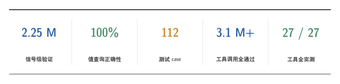
Reliability depends on the depth of the invoked inspection routines: wave-mcp exposes up to 34 specialized debugging tools that an agent can call for focused checks and traces. Because the architecture supports 'agent-in-the-loop' operation where agents autonomously navigate waveforms, outputs should be treated as diagnostic leads that require verification against simulator results or human review before design changes are applied. The available toolset increases investigative granularity, not final authority.
What file formats and hosts does it accept?
The server reads standard waveform data and integrates with host environments rather than acting as a standalone simulator front end. It natively accepts FST waveforms and performs automatic conversion for VCD and FSDB inputs. The app requires a Python environment and an MCP-compliant host application such as Claude Desktop or Cursor to connect AI agents to simulation data, and it provides SystemVerilog netlist exploration for context-aware queries.
Does it fit into standard verification toolchains and data practices?
Wave-mcp is intended to sit inside existing verification flows, providing a programmatic interface that agents and host tools can drive. It includes a browser-based waveform viewer that an agent can control and offers pre-simulation static analysis to flag potential issues before runs. Because the server exposes debugging primitives to AI agents, teams must plan how waveform and netlist data traverse the MCP link and set review gates for agent-suggested actions during integration.
Best suited to teams with MCP toolchains and disciplined verification gates
The tool is a practical option for verification teams that already use MCP-capable hosts and want to add agent-assisted inspection to their workflows. Expect an integration phase to define data flows and human review checkpoints for any agent-derived findings. Pilot the server on targeted modules, assign ownership for agent recommendations, and enforce verification gates before committing design changes.